



Our Shrub & Small Tree Service includes seven targeted applications per year designed to promote plant health, enhance appearance, and protect your landscape. Each visit includes detailed inspections, seasonally timed nutrients, and treatments to control insects and diseases based on your plants’ specific needs.
- 7 applications per year to keep your plants healthy and beautify your outdoor living space.
- Slow-release nutrients to spoon feed your plants, with each species being fed at precisely the right time of year.
- Controls most damaging insects and diseases.
- All plants are inspected during each visit.
- Plants are treated as needed based on seasonal needs and the presence of health issues.
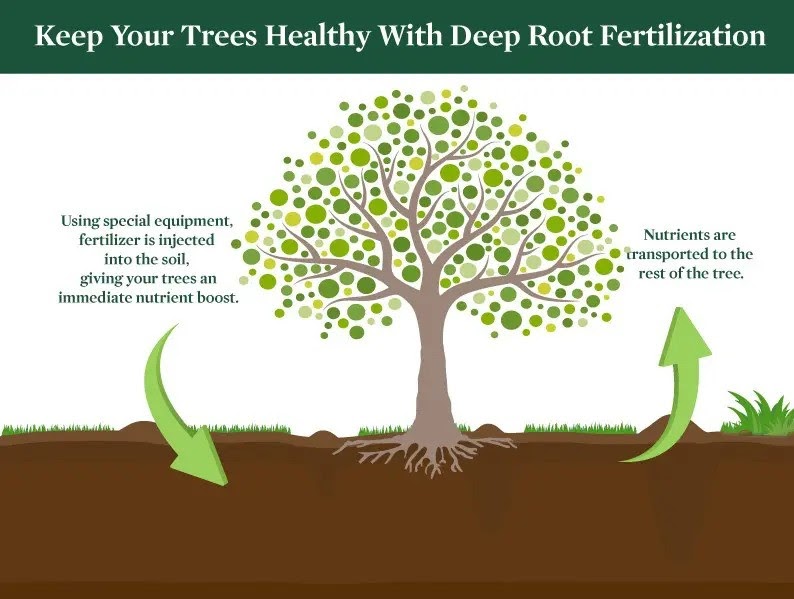
TREE-Fresh Deep Root Feeding delivers a specialized blend of nutrients and root stimulants directly into the root zone of large trees and plants, improving nutrient absorption where it matters most. This process helps reduce soil compaction, improve aeration and drainage, strengthen disease resistance, and promote healthier, more vigorous growth.
- A unique package of nutrients and root stimulants applied directly to the root zone of large plants.
- Allows the plant to absorb more nutrients from the soil.
- Helps to improve the drainage of the soil around your plants by reducing compaction and increasing aeration.
- Helps to increase disease resistance and encourages growth.
Our Flowerbed Weed Prevention service includes two pre-emergent applications per year, applied in late winter and late summer to help stop weeds before they begin growing. These treatments are safe for most plants and effective against weeds that grow from seed, though they may limit bulb growth and will not prevent weeds that spread into beds from surrounding areas.
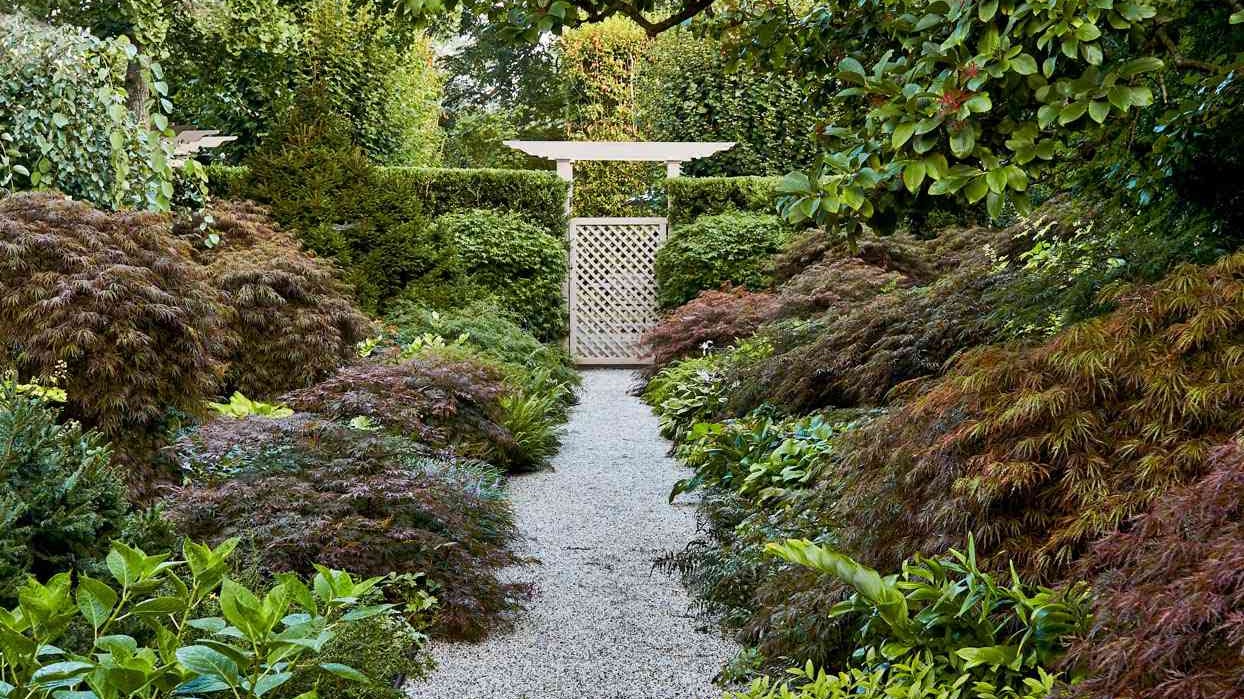
Can be applied to beds & most pathways
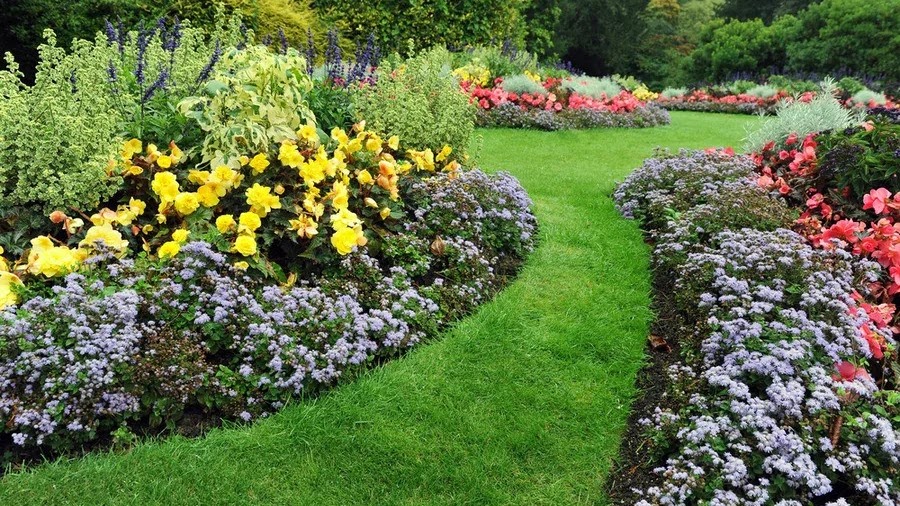
Safe for most plants
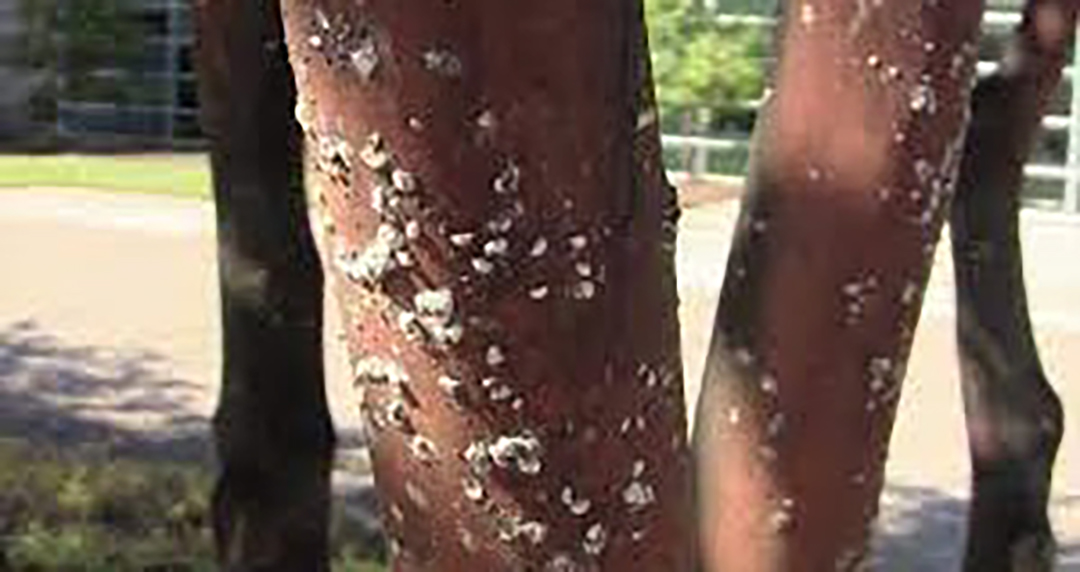
Crepe Myrtle Bark Banding targets and eliminates crepe myrtle bark scale, helping prevent the sooty mold that damages the appearance and health of your trees. Severe infestations may require two applications within a single year for effective control.
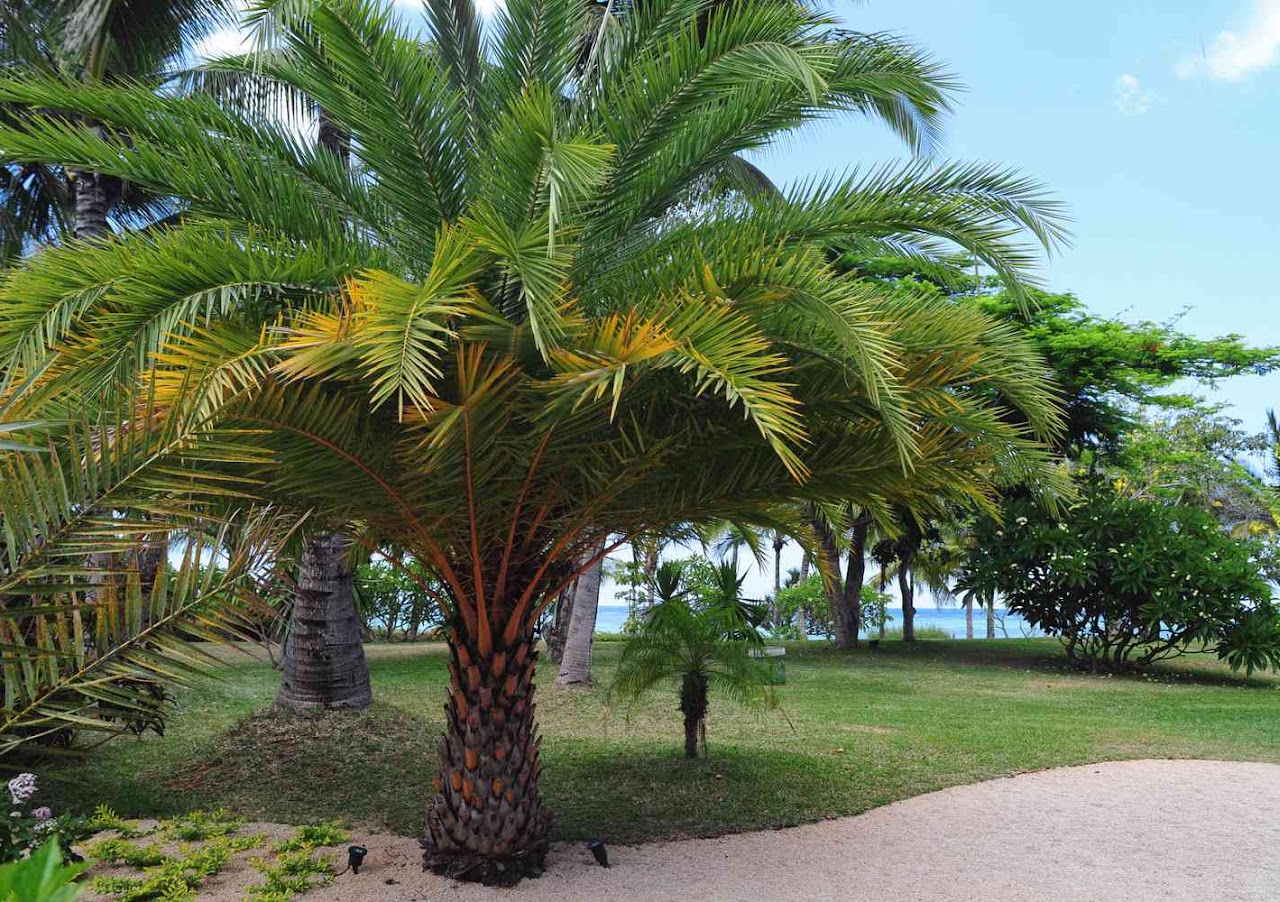
Palm Tree Feeding provides slow-release nutrients and root stimulants during the growing season, helping palms stay healthy, vibrant, and resilient. With up to two applications between May and September, this service supports steady growth and long-term plant health.
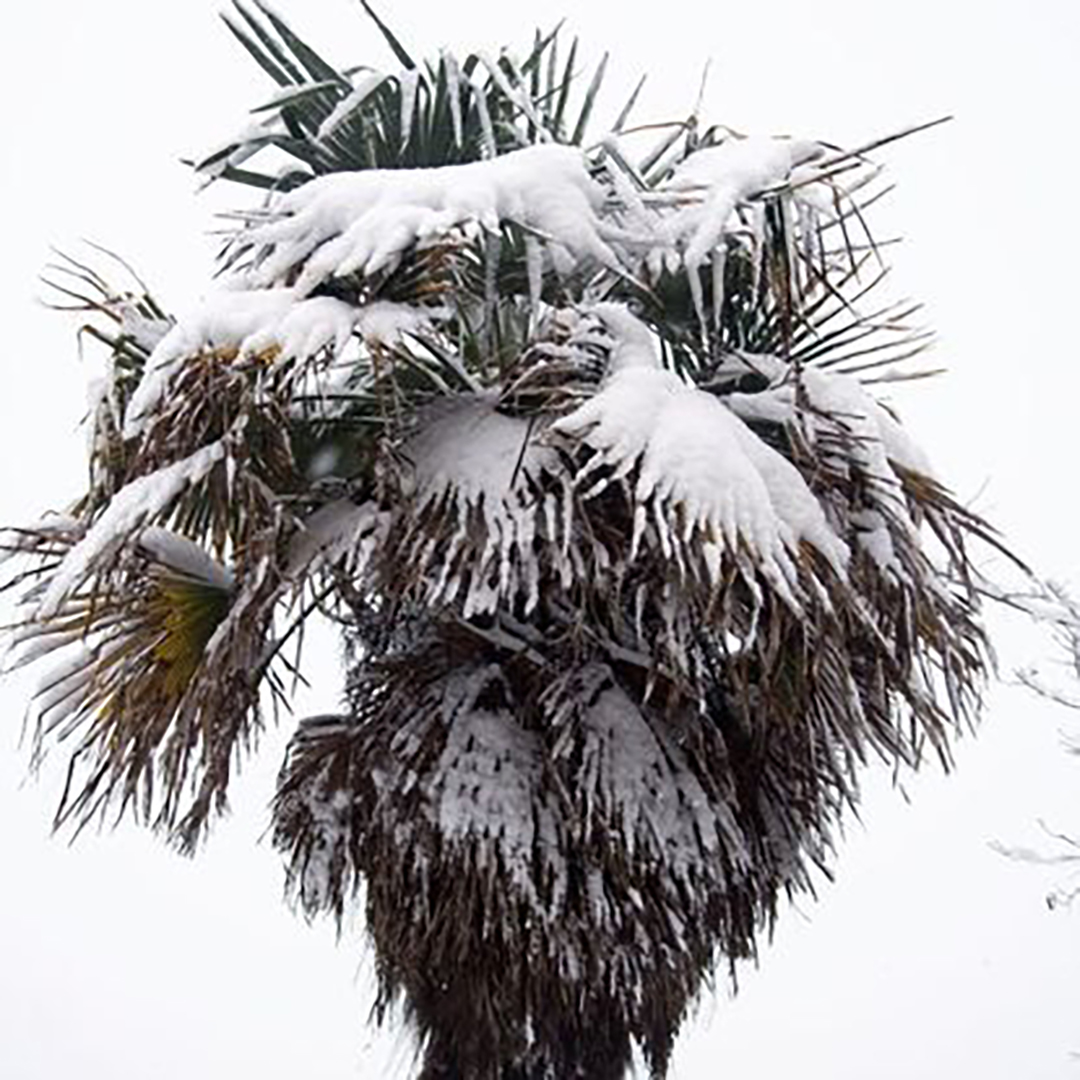
AquaLock Palm Winterization helps protect your palms from cold weather stress throughout the winter without the need for unsightly plastic wraps that can trap moisture and promote disease. This treatment provides effective seasonal protection while allowing your palms to breathe naturally.
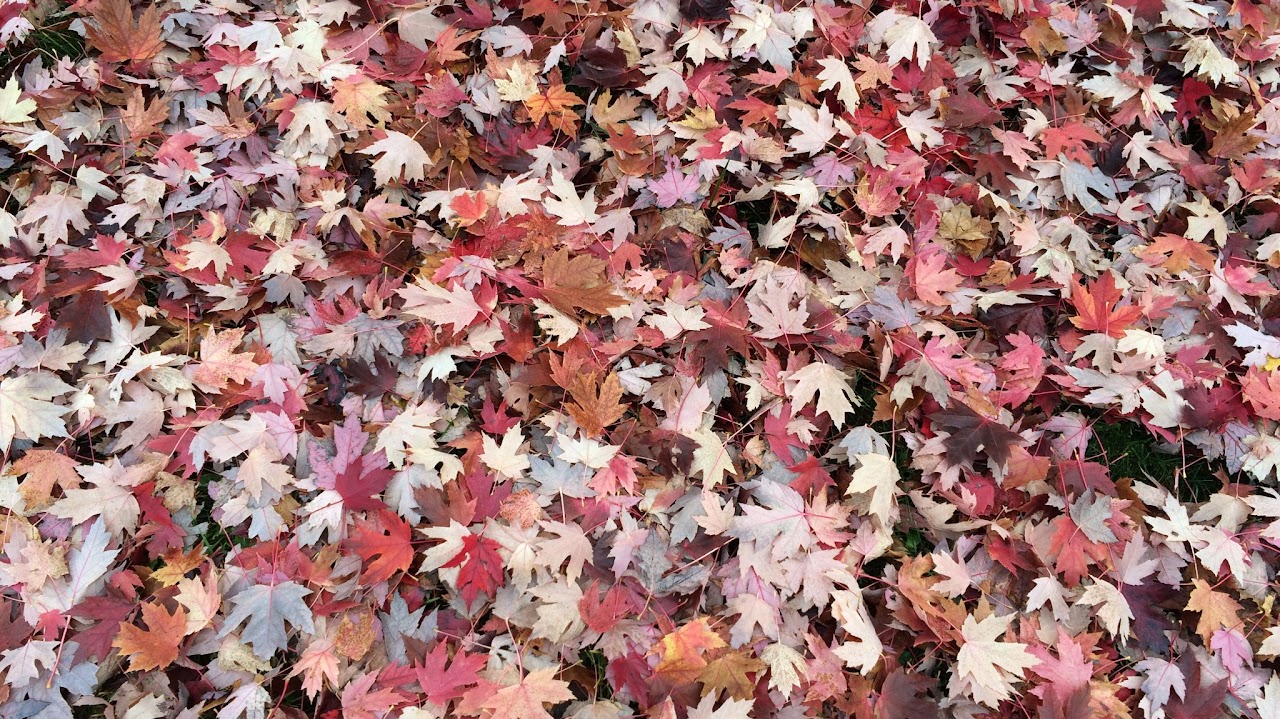
We suggest promptly cleaning up leaves. If you’d like to give your plants a little boost, compost (uninfected leaves only) them and spread them around your plants after they have broken down.
- Leaves can retain water & block airflow around the plant, making them more susceptible to fungal diseases.
- Infected leaf litter can also serve to reintroduce an infection, rendering fungicide applications ineffective.
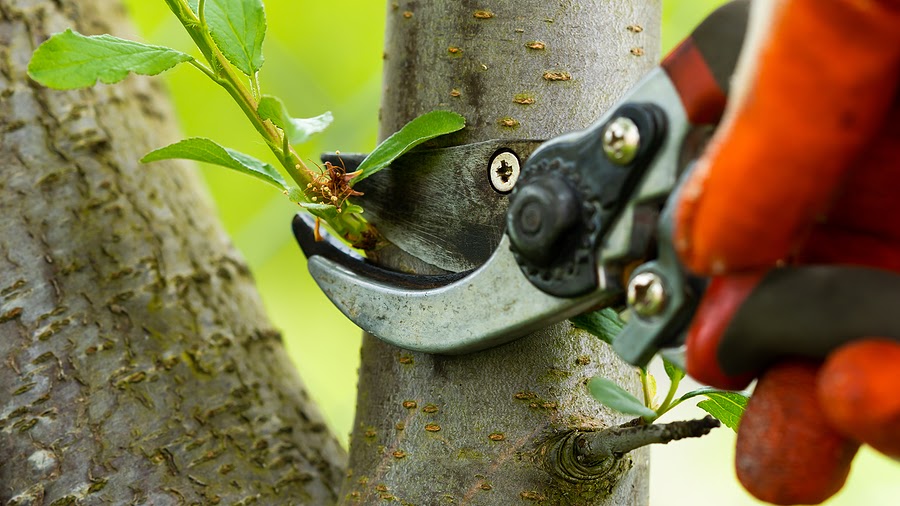
Proper pruning involves trimming shrubs and trees at the right time of year using correct techniques and sharp tools, helping maintain plant health, natural shape, and long-term growth without causing unnecessary stress or damage.
- Prune during the correct season for each plant; typically, you should avoid pruning flowering trees or shrubs.
- Prune trees correctly for their type and size. Do not top any tree, including crepe myrtles.
- Prune with sharp blades to minimize injury.
- Avoid pruning plants under stress if possible.
- Formally pruned shrubbery will require much more frequent pruning than shrubbery with a natural shape.
For more pruning tips, consult the Virginia Cooperative Extension.
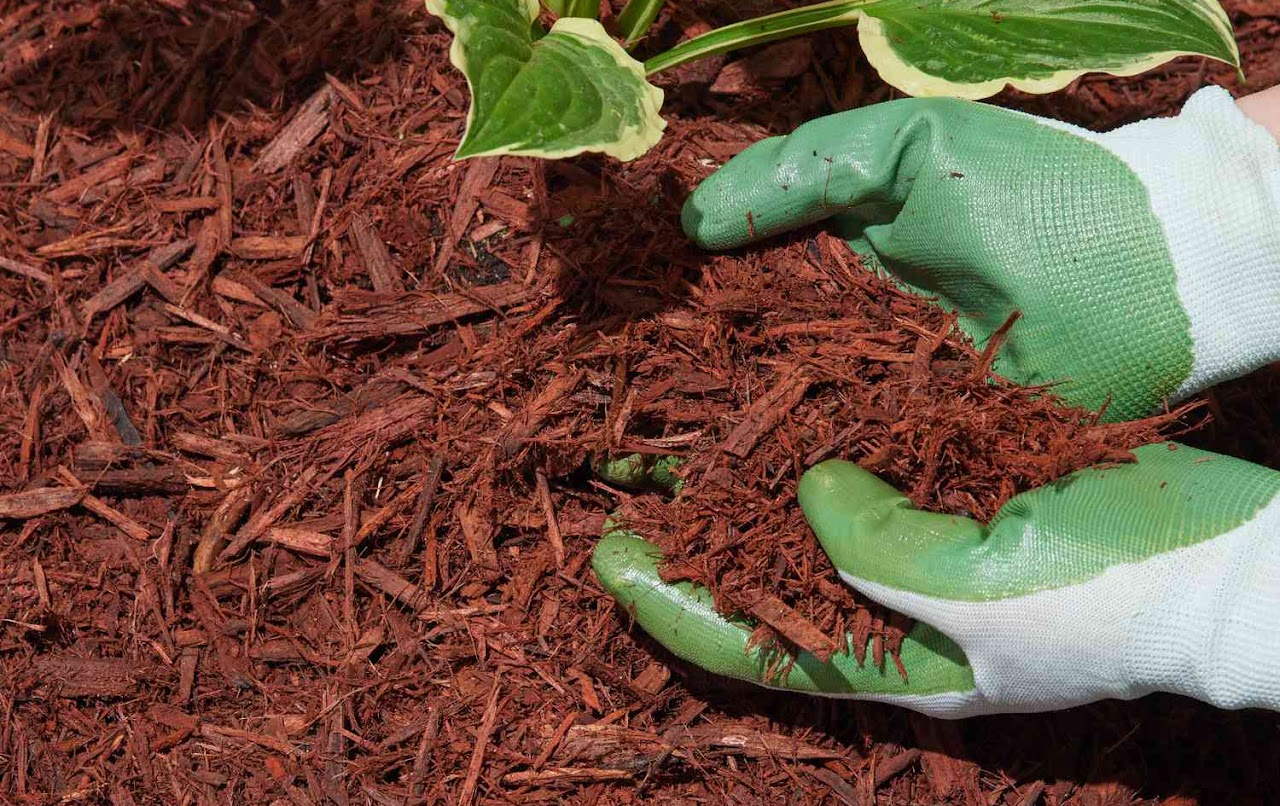
Properly installed mulch has many benefits. Here are some benefits, straight from the Va Cooperative Extension:
- The dark color of mulch serves to warm the soil, which promotes earlier root growth and earlier spring growth of plants
- Mulch helps to delay soil freezing and prevent frost heaving
- Mulch protects plants and plant roots from damage by equipment such as mowers and weed eaters
- Mulch minimizes compaction from traffic in the mulched area
- Mulch helps to suppress competing vegetation, such as weeds and grass
- By covering the soil with mulch, soil erosion is minimized
- Mulch slows runoff from rain events and allows moisture to soak into the ground
- Mulch enhances the garden and landscape appearance
- Mulch makes garden and landscape maintenance easier.
- Organic mulch also adds organic matter to the soil, which serves to improve the soil’s water-holding capacity, increases the number of microorganisms in the soil profile, and improves nutrient holding and supply of the soil.

